

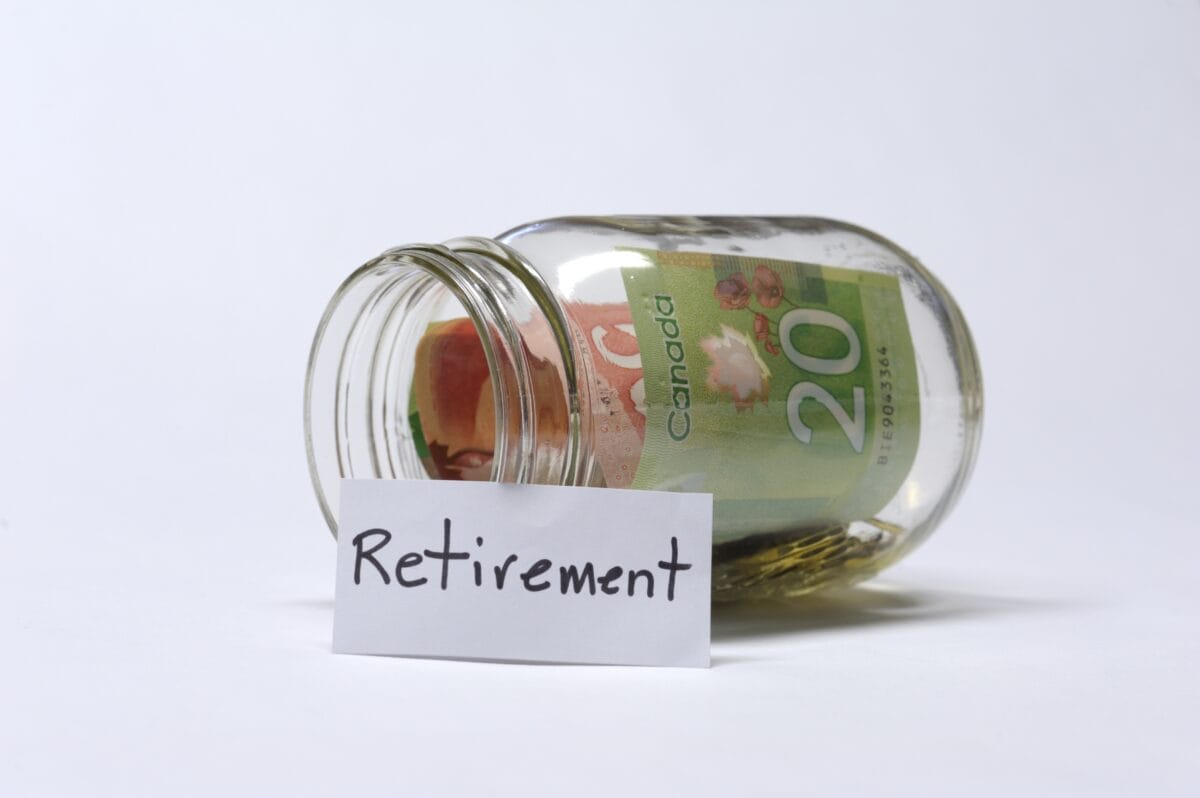
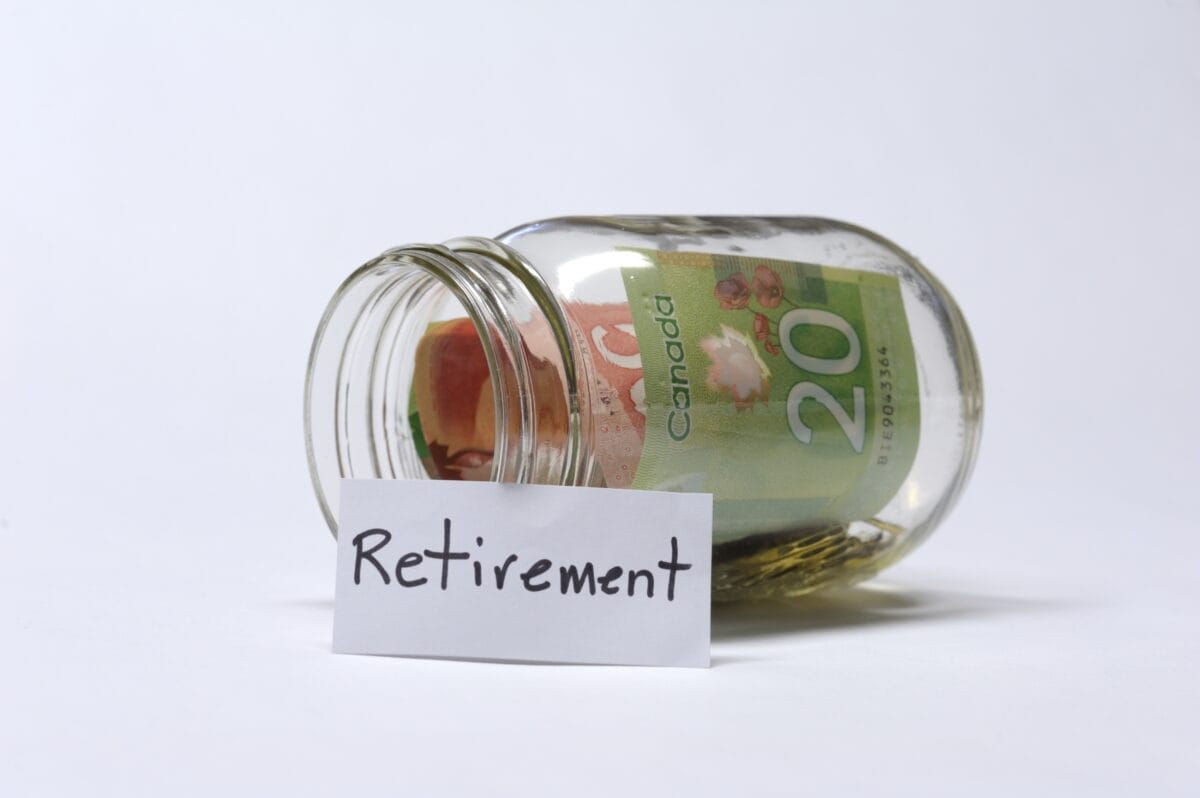
Retiring in Canada in 2026 looks less like a finish line and more like a math problem with inflation baked in. Most households rely on Canada Pension Plan (CPP), Old Age Security (OAS), maybe a workplace pension, and personal savings to cover the gap.
If you assume a couple wants about $60,000 to $70,000 a year after tax, and CPP plus OAS cover roughly $30,000 to $40,000, depending on work history and timing, then the portfolio has to supply $25,000 to $35,000. Using a cautious 4% withdrawal guideline, which points to about $625,000 to $875,000 in investable assets. To leave room for bad markets, health costs, or longer life, a Tax-Free Savings Account (TFSA) balance of around $500,000 to $800,000 per person looks like the zone many Canadians would “probably need.” Though more could be required if you retire early or rent forever.
Source: Getty Images
XEQT
That’s where iShares Core Equity ETF Portfolio (TSX:XEQT) comes in. It’s an all-in-one exchange-traded fund (ETF) that holds other ETFs, giving you broad global stock exposure in a single ticker. It keeps you fully in equities, so it can swing, but also gives your TFSA a long runway to compound. It spreads money across Canada, the United States, and international markets, so one country’s rough patch does not have to sink the plan. The simple pitch: own a slice of thousands of businesses and let time do the heavy lifting.
Over the last year, the story for XEQT has mostly followed the market’s mood swings rather than fund-specific drama. Investors moved from rate anxiety to a more measured outlook, and global stocks reacted in bursts. A global equity fund like XEQT tends to do better when growth holds up and confidence returns. It can wobble when bond yields jump, when the Canadian dollar swings, or when geopolitics hits risk appetite. The point of the wrapper is not perfection, but consistency. One diversified holding that you can keep buying through noise.
Future in focus
At writing, the yield sits at about 1.6%, with the exact amount changing as markets and dividends change. Its management expense ratio has sat around 0.20%, which matters as low fees help compounding over decades. For long-range planning, the bigger number is expected equity returns. Many investors model 6% to 8% a year before inflation, then accept that any single year can be far above or below that. It also rebalances for you, so you do not drift into a lopsided mix after big market moves. The trade-off is that you accept its global weights, and you live with currency moves, because it does not hedge everything back to Canadian dollars. And you keep contributions automatic.
The outlook for XEQT stays simple, and that’s the appeal. If inflation cools and rates ease, equities often get some breathing room, but a higher-rate world can still work if businesses keep growing. You should expect volatility, because 100% equity exposure comes with real drawdowns, and retirement timing risk matters. Valuation also plays a role, since markets sometimes price in a lot of good news, which can mute future returns for a while. XEQT fits best as a core TFSA holding while you still have years to invest, and pairs well with steadier assets as retirement gets closer.
Bottom line
A TFSA target does not need to be perfect to be powerful. You just need a number that keeps you saving, investing, and protecting the plan from lifestyle creep. If you can build toward $500,000 to $800,000 per person inside a TFSA, and you use a broad, low-cost growth engine like XEQT for the long haul, you give yourself a real shot at a retirement that feels free instead of fragile. The opportunity is not a trick, but patient compounding and sticking with it.
