

I was an IT Modernization Engineer for much of my professional career before leaving to be a full-time creator in December 2022.
My specialty: IRS information technology (IT)
Yes, that IRS.
After 19 years there as a contractor (never a Fed), I became an expert in several components of the astronomically complex web of more than 500 unique but interconnected IRS information systems.
The core systems that maintain our tax history and process returns were designed in the early 1960s and still run on IBM mainframes, COBOL, and Assembler Language (ALC), which predates COBOL.
ALC is so old that there aren’t enough programmers alive to maintain the existing code.
The more “modern” systems were built in the 1990s and 2000s.
One such system is called Modernize e-File (MeF).
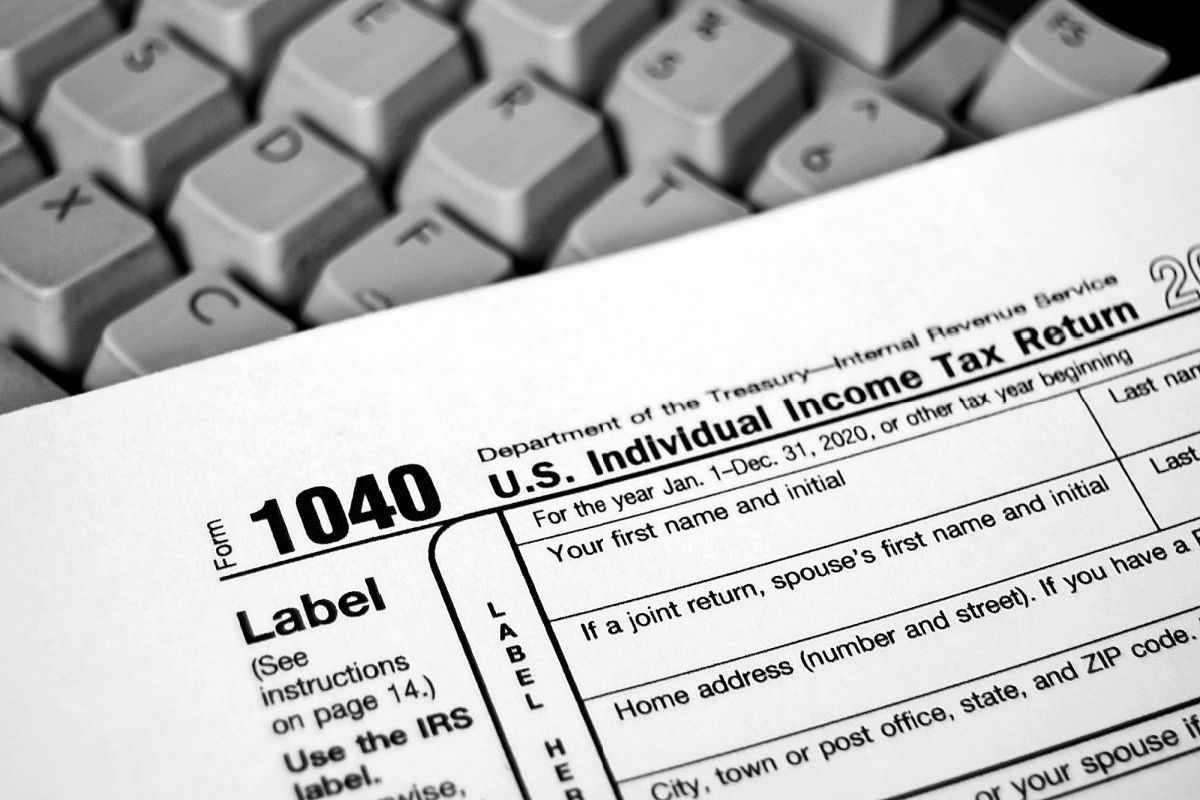
This is the information system that accepts tax returns each year when you or your CPA files through TaxAct, TurboTax, H&R Block, or whatever tax software you use.
I spent five of those years creating complex tax returns to feed into the system, finding and reporting bugs before the tax filing season opened for millions of taxpayers.
The IRS accepts 150+ electronic tax forms for individual returns (Form 1040), non-profits (Form 990), partnerships (Form 1065), corporations (Form 1120), and information returns (1099s, 1095-A, K-1, etc.).
When assembling a complete tax return, each sub-form or schedule links back to the top forms (“Subtract line 10a from 2b and enter the value on line X of Form 1040), and they connect to become your tax return for a given year, where on page 2 of the 1040, you learn your refund/balance due.
Filing taxes is so complex because the tax code is so complex (4X the size of War and Peace).
Blame 65+ years of Congress for the complexity, because they write the tax laws without consideration of how it impacts forms or computer processing.
But I digress.
All this to say, I am not a CPA, but I have submitted thousands of tax returns and know what I’m doing.
Yet, I still dread tax season and filing my return.
As a self-employed person with unpredictable income, I need to figure out many pieces of the tax puzzle every year.
My business earns income from multiple sources, which I need to track and report, minus expenses, on top of the smart money moves I should be making as a DIY investor and retirement planner.
Top of mind this year includes Roth contributions, Roth conversions, eligible tax credits and thresholds (ACA, Child), tax-gain harvesting (selling winners when under income thresholds), SEP-IRA contributions, capital gains, and, as always, dividend income.
After a full day working through it all and being nearly ready to submit, I decided to try using Anthropic’s Claude tool as a copilot to get some feedback on what I could do to improve things (if any).
I was extraordinarily helpful in guiding some decisions, and just understanding how the return components impact each other.
Of course, I verified the critical advice with factual research beyond the AI.
But the AIs are very good at guidance, accuracy, and clear explanation, and they keep getting better.
Claude walked me through which changes would best improve my 2025 tax return, and we started planning for 2026 to achieve even more success.
These were optimizations I could figure out on my own. But the AI saved me incalculable time and brainpower.
Instead of going to a TurboTax FAQ page or an IRS instruction pamphlet as I did in the good old days, Claude was my expert.
Today, AI capabilities are already extraordinary when you find ways to use them.
I’m not convinced AI will be able to do our taxes without feedback in the near future.
And I’m VERY skeptical that AI can build a brand new tax system to replace the legacy COBOL, ALC, and expensive IBM mainframes (not happening soon, too many interfaces).
But it can help with components of work, explain complex scenarios, and thereby rationalize and prioritize optimal decisions.
It was so helpful, I’ve started using it for personalized DIY retirement planning advice. “You are my personalized fiduciary financial planner…”.
So far, it is very impressive with the right prompts.
I’m just getting started with Claude for DIY planning, so that’s a topic for another day.
Postscript About My IRS Days
When I left the IRS in 2022, dozens of modernization programs were underway, streamlining customer service, compliance, cybersecurity, system replacement, and other aspects of tax administration to bring them up to speed with the modern world.
However, much of that work ended in February 2025, when DOGE smashed a hammer on Federal spending, cut contracts, fired contractors, and forced retirements.
Had I stayed at my job, I would have lost it in early 2025 like nearly all of my former IRS consulting colleagues (100s).
I did not leave because I anticipated such a bloodbath; I genuinely wanted to do this (blog, newsletter, video, etc.), instead of that (help modernize the IRS).
After 19 years, I was tired of being part of an organization that was always a punching bag, even though the IRS is merely an enforcement agency carrying out instructions written by the pugilists.
To underfund the IRS while continuing to complicate the tax code (by creating new loopholes and other nonsensical policies for pet projects and preferred constituents) is another example of elected leaders who lack the courage to fix problems today and, by default, leave them for the next generation.
That said, I witnessed very slow progress, failed projects, and hundreds of millions in wasted dollars.
AI will definitely help. One project involved converting 200,000 lines of extremely complex ALC code into Java.
That one computer program (out of millions) took at least a decade and hundreds of millions of dollars, and it’s probably still not the program of record.
Using specialized AI coding agents to assist in a task like this could help save years and millions.
I could write about the IRS IT environment and government spending on IRS IT modernization for the next 10 newsletters without scratching the surface (boring you to death).
I won’t.
But check out this vintage IRS computing video to learn more.

Craig Stephens
Craig is a former IT professional who left his 19-year career to be a full-time finance writer. A DIY investor since 1995, he started Retire Before Dad in 2013 as a creative outlet to share his investment portfolios. Craig studied Finance at Michigan State University and lives in Northern Virginia with his wife and three children. Read more.
Favorite tools and investment services (Sponsored):
Boldin — Spreadsheets are insufficient. Build financial confidence. (review)
ProjectionLab — Build financial plans you love. (review)
Empower — Free net worth and portfolio tracking + retirement planning. User since 2015.
Sure Dividend — Research dividend stocks with free downloads (review):
